Indoor Grease Trap Cleaning

Indiana, Ohio, Kentucky and Illinois Indoor Grease Trap Cleaning

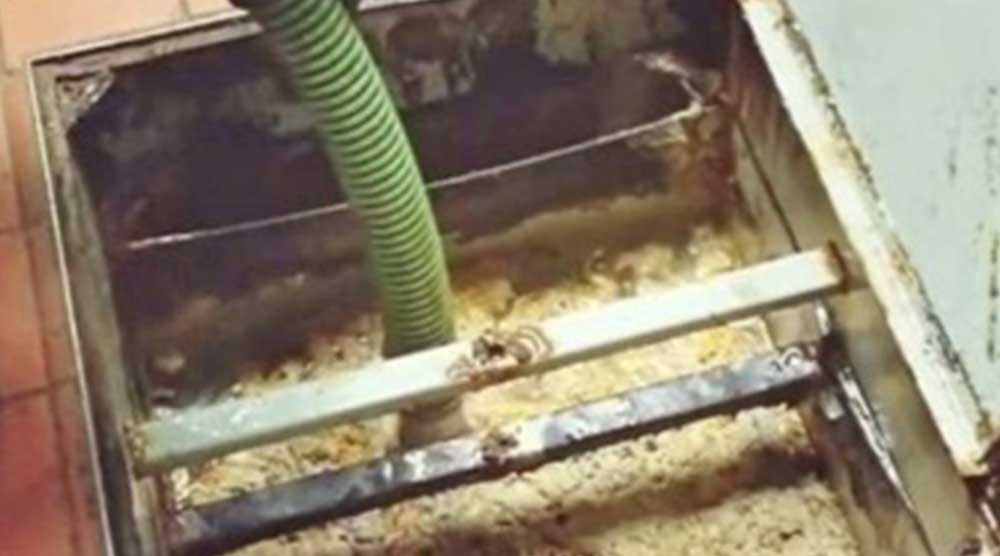
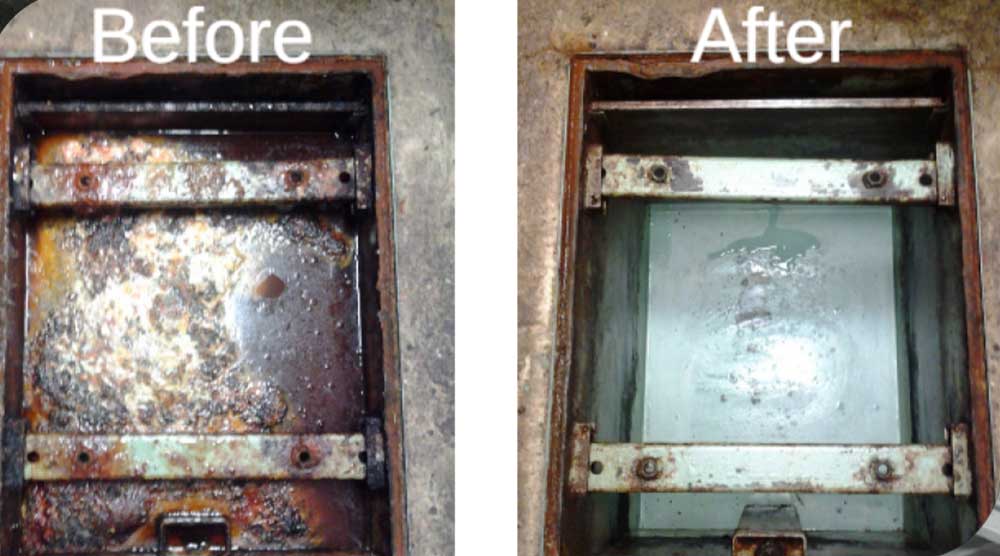
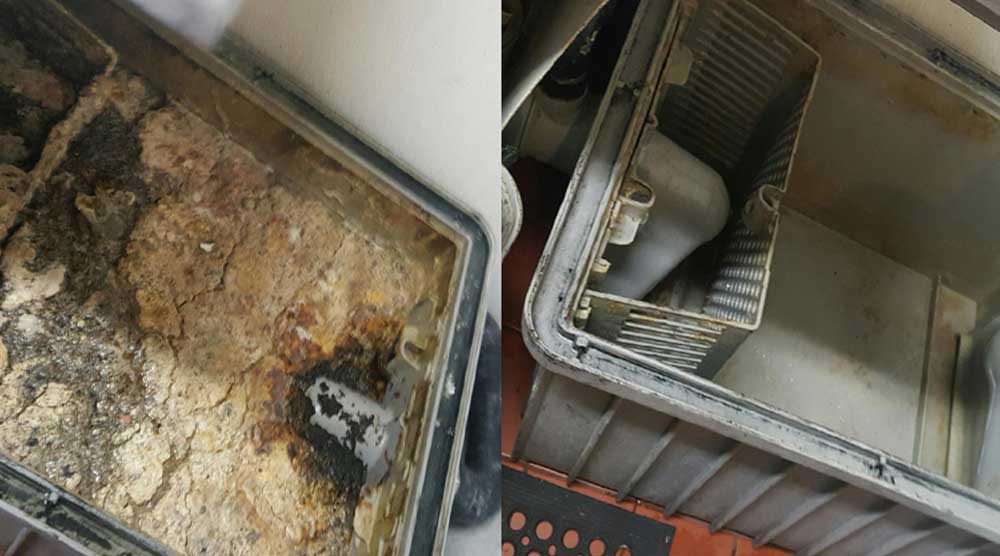
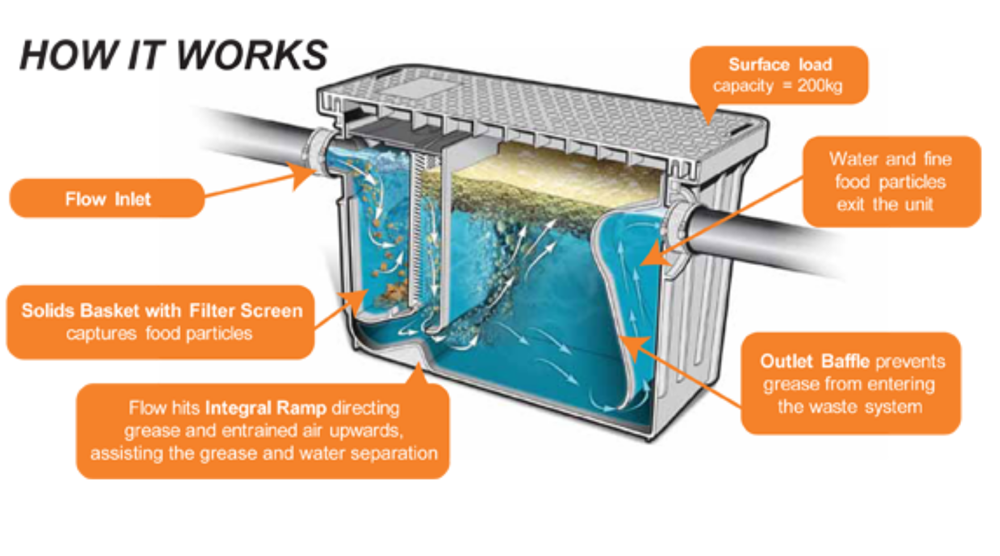
Bradley Fire & Environmental Services has the Indiana Kitchen Fire Suppression tools and equipment needed to properly service your Indoor Grease Trap.  We have the ability to automatically schedule Indoor Grease Trap Cleanings as often as you need.  We don’t just pump the grease trap out, we go the extra mile to scrape and wash buildup out of the nooks and crannies of the trap ensuring longevity and sanitation.  Then we dispose of the waste at the proper waste management sites.

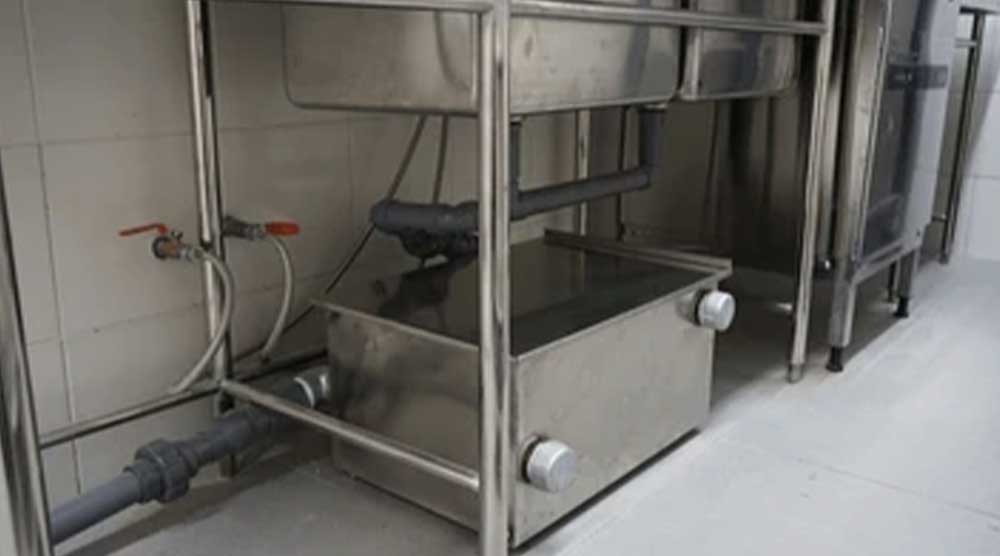
Routine maintenance of grease traps in commercial kitchens is vital for preventing catastrophic plumbing failures, ensuring regulatory compliance, and maintaining a hygienic environment. Experts and local authorities frequently emphasize that neglecting this task can lead to significant financial and operational risks.
Core Reasons for Routine Cleaning

  • Preventing Plumbing Failures: As fats, oils, and grease (FOG) accumulate, they solidify and can form concrete-like blockages in pipes. These clogs lead to slow-draining sinks, dishwashers, and eventually severe sewage backups that can flood the kitchen with contaminated water.
  • Legal and Regulatory Compliance: Municipalities and health departments strictly mandate grease trap maintenance to prevent “fatbergs” from damaging public sewer infrastructure. Non-compliance can result in immediate fines ranging from $1,000 to $10,000+, mandatory business closures, or even criminal charges for environmental damage.
  • Health and Hygiene: Full grease traps become breeding grounds for bacteria and attract pests such as rodents, cockroaches, and flies. Decomposing FOG also releases foul, sulfur-like odors and toxic gases (e.g., hydrogen sulfide and methane) that can permeate both the kitchen and dining areas.
  • Cost Savings: Emergency plumbing repairs and system replacements typically cost 3–4 times more than scheduled professional maintenance. Routine cleaning also prevents sulfuric acid buildup from corroding and damaging the trap itself, thereby extending its lifespan.
  • Environmental Protection: Clogged traps allow FOG to overflow into municipal sewer systems and local waterways, which depletes oxygen levels and harms aquatic life. Many professional services now recycle collected grease into sustainable products like biodiesel.

Recommended Maintenance Standards

  • The 25% Rule: Industry experts recommend cleaning the trap once grease and solids reach 25% of the tank’s depth; beyond this point, the trap’s ability to separate FOG from wastewater fails.
  • Frequency: Most commercial kitchens require professional cleaning every 1 to 3 months, depending on volume. High-volume establishments (e.g., those using deep fryers daily) may need monthly Indiana Kitchen Fire Suppression service.
  • Winter Precautions: In colder months, grease solidifies much faster in pipes, making routine winter maintenance even more critical to prevent immediate blockages.